Concerten
Het geheim van de kunstenaar
wo 1 jul 2026
Henriëtte Bosmans (1895-1952) was een gevierd pianiste, en slaagde er bovendien in succesvol te worden als componist in een tijd dat dat zeker niet voor de hand lag. Onder de belangrijke musici die haar steunden was chef-dirigent Willem Mengelberg van het Concertgebouworkest.
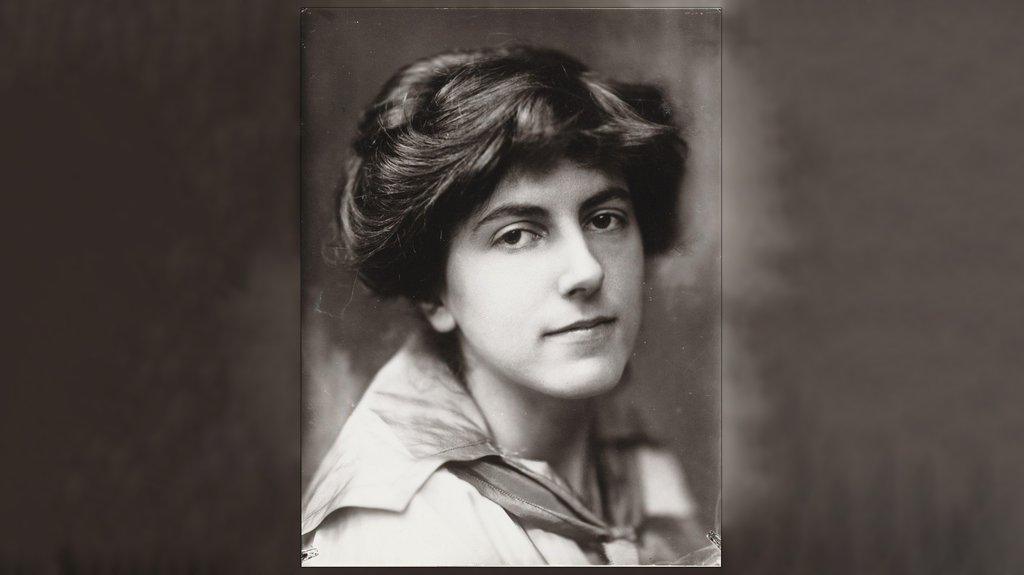
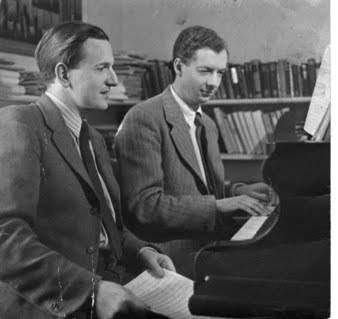
Ter gelegenheid van World Pride Amsterdam 2026 kun je lezen over de bijzondere vriendschap tussen Henriëtte Bosmans en Benjamin Britten
Van 1923 tot haar dood stond haar werk 25 keer bij het orkest op de lessenaar. Desondanks werd het haar als vrouw niet gemakkelijk gemaakt. Wat haar publieke optreden bemoeilijkte, was dat ze relaties had met vrouwen en mannen, en half joods was; in de jaren dertig en veertig, en zeker na de bezetting van Nederland door de nazi’s, moest ze altijd op eieren lopen.
Na de oorlog, in 1946, woonde Bosmans een liedrecital bij van de beroemde Britse componist/pianist Benjamin Britten (1913-1976) en zijn levensgezel, de tenor Peter Pears. Hun identiteit als outsiders, vanwege hun seksuele geaardheid en hun overtuigd pacifisme, was een intrinsiek onderdeel van hun werk; tegelijkertijd konden ze er nooit mee te koop lopen. Wat voor hun essentieel was, mocht nooit expliciet worden. Het geheim van de kunstenaar. Daarin herkende Bosmans zichzelf. Ze werden goede vrienden en Bosmans onderhield een levendige correspondentie met Britten en Pears.
Toen Britten in 1948 Amsterdam bezocht, waar hij tot huiscomponist van het Holland Festival werd benoemd, stelde hij haar voor om een lied te componeren op het gedicht The Artist’s Secret van een geestverwant uit het verleden, de Zuid-Afrikaanse dichteres, anti-oorlogsactiviste en feministe Olive Schreiner (1855-1920). Bosmans deed dat, en droeg het op aan Pears.
Dit is de tekst:
There was an artist once, and he painted a picture. Other artists had colours richer and rarer, and painted more notable pictures. He painted his with one colour, there was a wonderful red glow on it; and the people went up and down, saying, “We like the picture, we like the glow.”
The other artists came and said, “Where does he get his colour from?” They asked him; and he smiled and said, “I cannot tell you”; and worked on with his head bent low. And one went to the far East and bought costly pigments, and made a rare colour and painted, but after a time the picture faded. Another read in the old books, and made a colour rich and rare, but when he had put it on the picture it was dead.
But the artist painted on. Always the work got redder and redder, and the artist grew whiter and whiter. At last one day they found him dead before his picture, and they took him up to bury him. The other men looked about in all the pots and crucibles, but they found nothing they had not.
And when they undressed him to put his grave-clothes on him, they found above his left breast the mark of a wound — it was an old, old wound, that must have been there all his life, for the edges were old and hardened; but Death, who seals all things, had drawn the edges together, and closed it up.
And they buried him. And still the people went about saying, “Where did he find his colour from?”
And it came to pass that after a while the artist was forgotten — but the work lived.
Artikelen uit het magazine Preludium die je misschien interessant vindt: