Wed, Jul 1, 2026
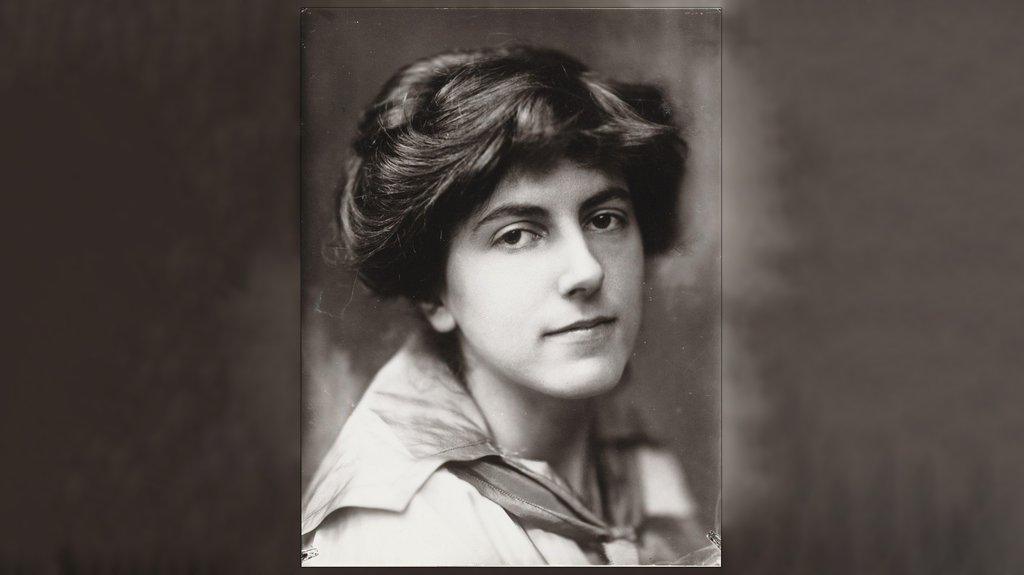
Henriëtte Bosmans (1895–1952) was a celebrated Dutch pianist who also forged a successful career as a composer – a formidable achievement for a woman of her era. Chief among the prominent musicians who championed her work was Willem Mengelberg, then principal conductor of the Concertgebouw Orchestra.
To mark World Pride Amsterdam 2026, read about the remarkable friendship of Henriëtte Bosmans and Benjamin Britten.
Between 1923 and her death, her compositions featured on the orchestra’s stands no fewer than 25 times. However, for her as a woman, the path was never easy. Her public life was further complicated by her relationships with both women and men, and by her half-Jewish heritage. Throughout the 1930s and 1940s – and most acutely following the Nazi occupation of the Netherlands – she navigated a perilous existence.
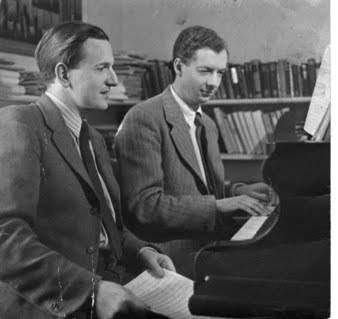
After the war, in 1946, Bosmans attended a song recital by the renowned British composer-pianist Benjamin Britten (1913–1976) and his life partner, the tenor Peter Pears. Their identities as outsiders, shaped by their sexual orientation and steadfast pacifism, were intrinsic to their creative output, yet remained something they could never openly broadcast. What was most essential to their being had to remain unsaid – the true artist’s secret. Bosmans recognised herself instantly in this dichotomy. A deep friendship blossomed, and she maintained a lively correspondence with both Britten and Pears.
When Britten visited Amsterdam in 1948 to take up his role as composer-in-residence at the Holland Festival, he suggested she set a particular text to music: The Artist’s Secret, a poem by a kindred spirit from the past, the South African poet, anti-war activist, and feminist Olive Schreiner (1855–1920). Bosmans happily took him up on his suggestion, dedicating the resulting song to Pears.
Here are the lyrics:
There was an artist once, and he painted a picture. Other artists had colours richer and rarer, and painted more notable pictures. He painted his with one colour, there was a wonderful red glow on it; and the people went up and down, saying, “We like the picture, we like the glow.”
The other artists came and said, “Where does he get his colour from?” They asked him; and he smiled and said, “I cannot tell you”; and worked on with his head bent low.
And one went to the far East and bought costly pigments, and made a rare colour and painted, but after a time the picture faded. Another read in the old books, and made a colour rich and rare, but when he had put it on the picture it was dead.
But the artist painted on. Always the work got redder and redder, and the artist grew whiter and whiter. At last one day they found him dead before his picture, and they took him up to bury him. The other men looked about in all the pots and crucibles, but they found nothing they had not.
And when they undressed him to put his grave-clothes on him, they found above his left breast the mark of a wound — it was an old, old wound, that must have been there all his life, for the edges were old and hardened; but Death, who seals all things, had drawn the edges together, and closed it up.
And they buried him. And still the people went about saying, “Where did he find his colour from?”
And it came to pass that after a while the artist was forgotten — but the work lived.