Background
From Baroque to Brahms: lasting bonds, new perspectives
Sun, Nov 1, 2026
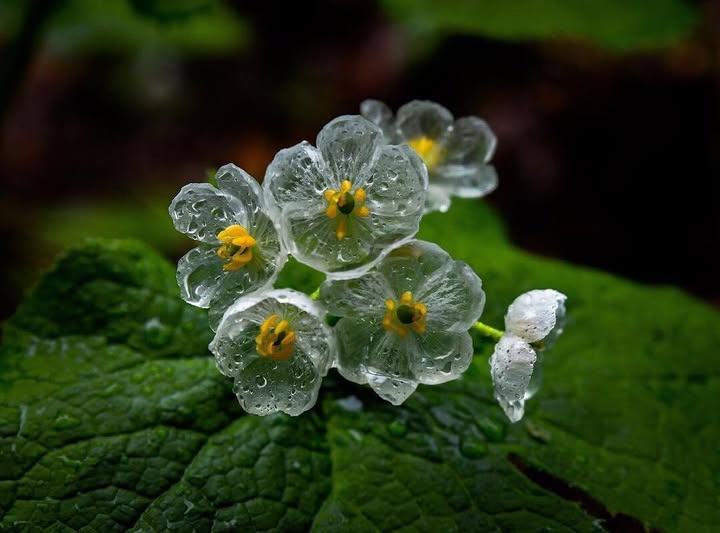
A flower that changes its appearance as its environment changes is the image underlying the young Danish composer Sophie Meyer’s Fleur de verre. The Dutch premiere of this work will open Fabio Luisi’s concerts in December in Amsterdam and in Heerlen.
Our collaboration with violinist Julia Fischer and our historical ties with composer Hans Werner Henze (1926-2012) have taken on new meaning with the passing years. Fischer is returning to our orchestra after an absence of twenty years. She’ll be the soloist in Il Vitalino raddoppiato by Henze, with whom the orchestra maintained a close relationship.
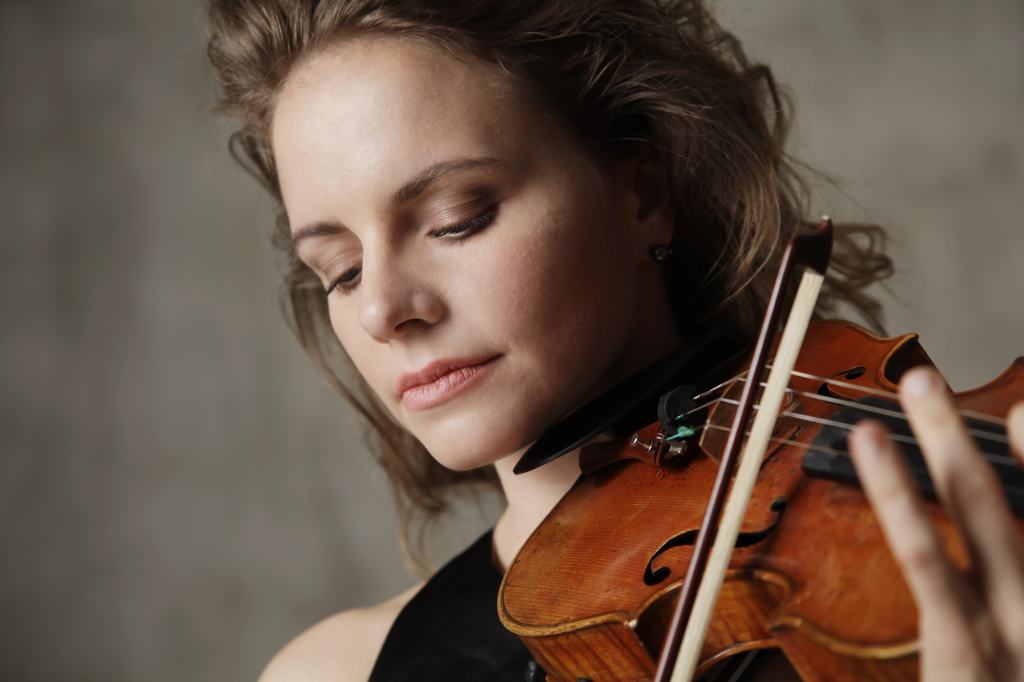
Julia Fischer made her debut with us in January 2005 playing Mendelssohn’s Violin Concerto. She returned a few months later for a gala concert which was broadcast live, and enthralled the Netherlands’ music fans with Paganini’s La campanella. She still has fond memories of that concert, adding, ‘I’m looking forward to seeing you all again, and playing this wonderful programme.’
A history of music in thirty minutes
Hans Werner Henze based his Il Vitalino raddoppiato on the famous Chaconne in G Minor by the baroque composer Tomaso Antonio Vitali, orchestrating the original work and adding his own variations. These variations start in Vitali’s baroque style, becoming more romantic as the piece develops and eventually sounding unmistakeably twentieth century. ‘You feel like you’re travelling through the entire classical repertoire in thirty minutes,’ says Fischer.
Half a century of Henze and the orchestra
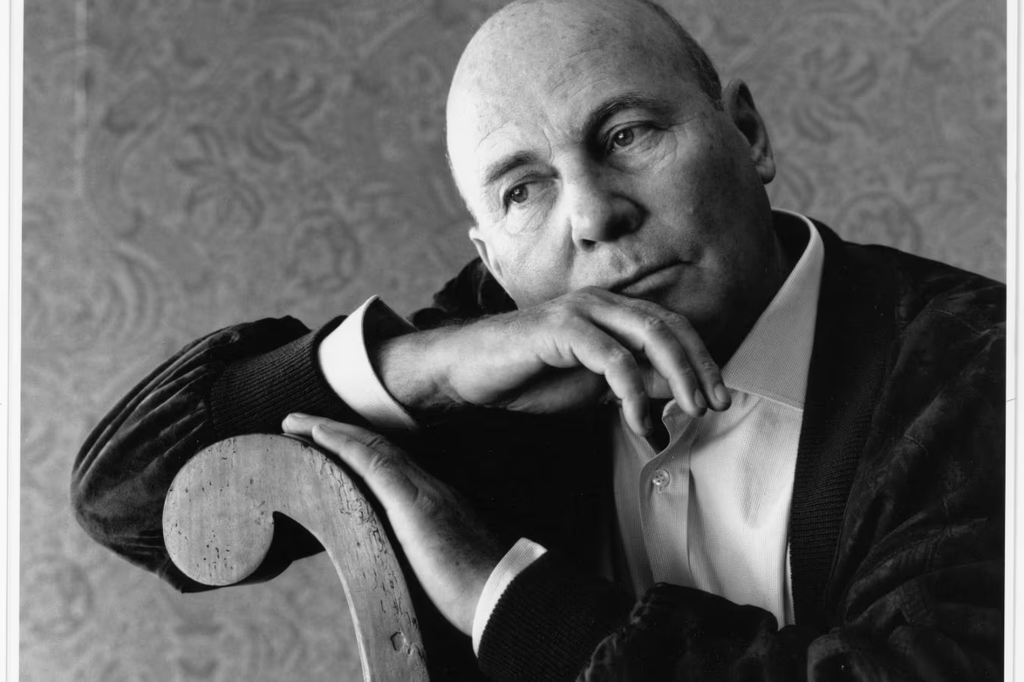
The performance is a reflection on the hundredth anniversary of Henze’s birth. The ties between composer and orchestra go back to 1961, when we played his music for the first time. He conducted the orchestra twice, in 1968 and 1977. A highlight of our collaboration was the premiere of the commissioned work Sebastian im Traum in 2005. This enduring connection extended beyond the concert hall: Henze wrote at the time that he had always felt great affection and admiration for the orchestra, and also that he loved Amsterdam and its residents. The city became a part of the larger environment that enriched his relationship with the orchestra.
A flower that changes in the rain
The concert opens with the Dutch premiere of Fleur de verre by the young Danish composer Sophie Meyer. The title translates to ‘glass flower’; it refers to an Asian ‘skeleton flower’ which turns transparent in the rain. This image of environmentally induced change became the foundation of the piece for Meyer. Both the character and the structure of her music display vulnerability and mutual connection.
Melodies for the taking
After the interval, we’ll play Brahms’ Second Symphony. Brahms composed most of the piece during a summer on the idyllic Wörthersee in Austria. Inspiration abounded there, prompting him to write, ‘The melodies are lying around at your feet, simply there for the taking; you have to take care not to trip over them.’ This inspiration produced a lyrical, sunny symphony that ends in a radiant finale, as if light is shining through Meyer’s glass flower one more time.
The full interview with Julia Fischer will appear in Dutch in the December issue of Preludium. The issue also contains a background article about Hans Werner Henze’s relationship with our orchestra, written by former artistic assistant Mark van Dongen.


